Where We Land
Where We Land is a site-specific public art installation that explores the intersection of individual memory and collective identity. At its core, the project utilizes the universal symbol of the paper plane—an object synonymous with childhood, fleeting movement, and the act of "sending out" a message or a dream.
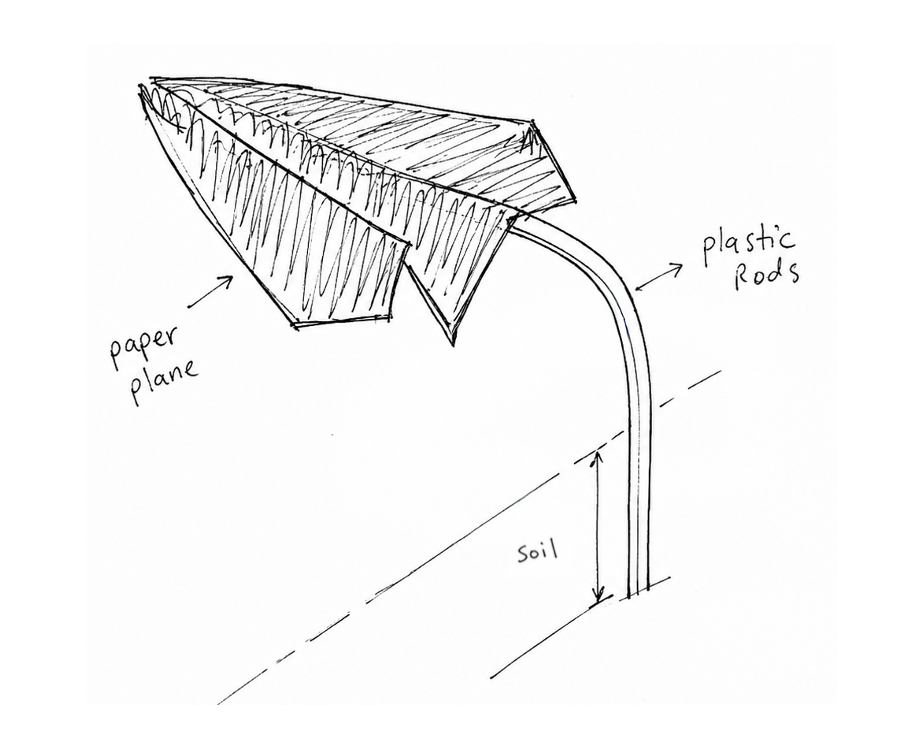
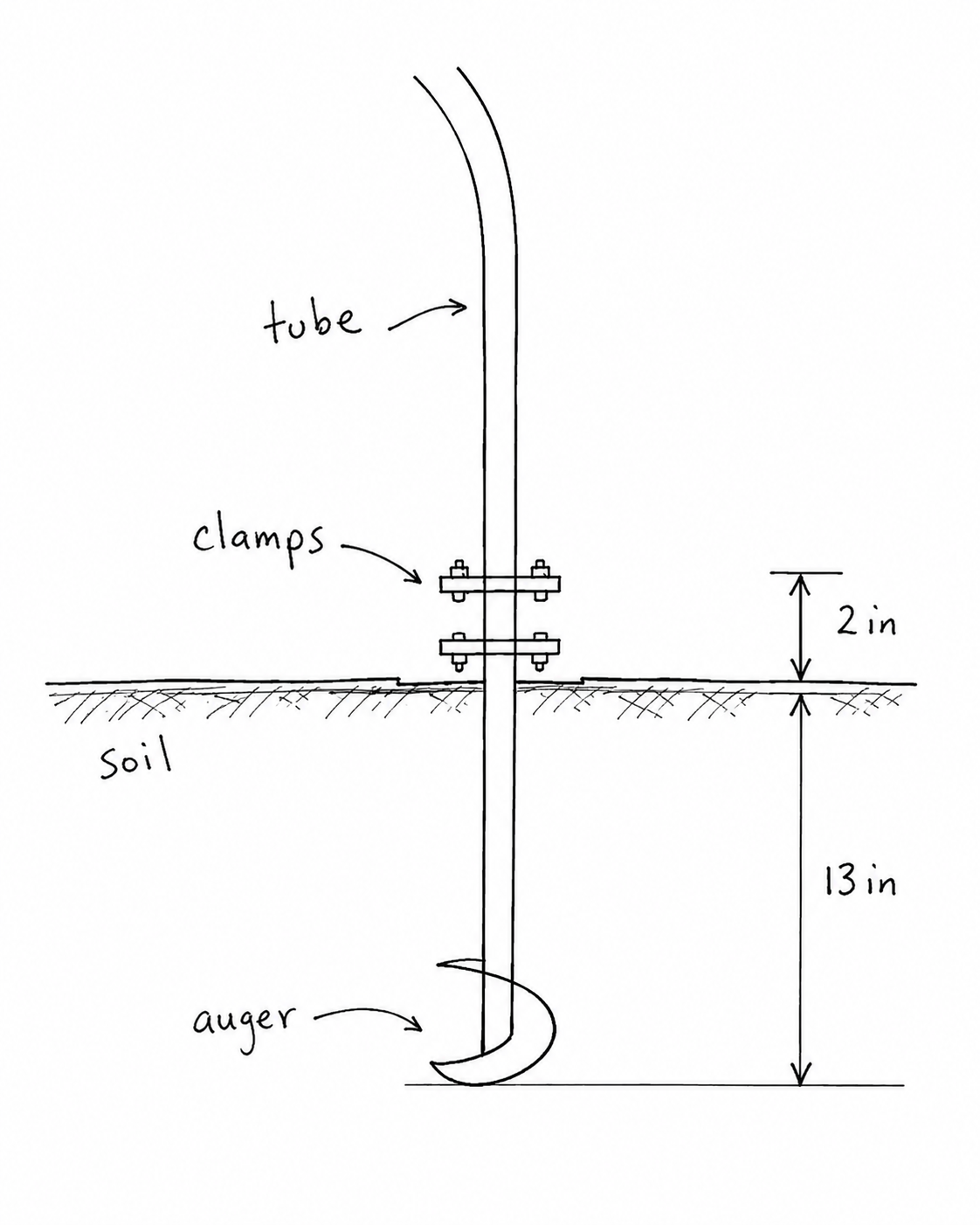
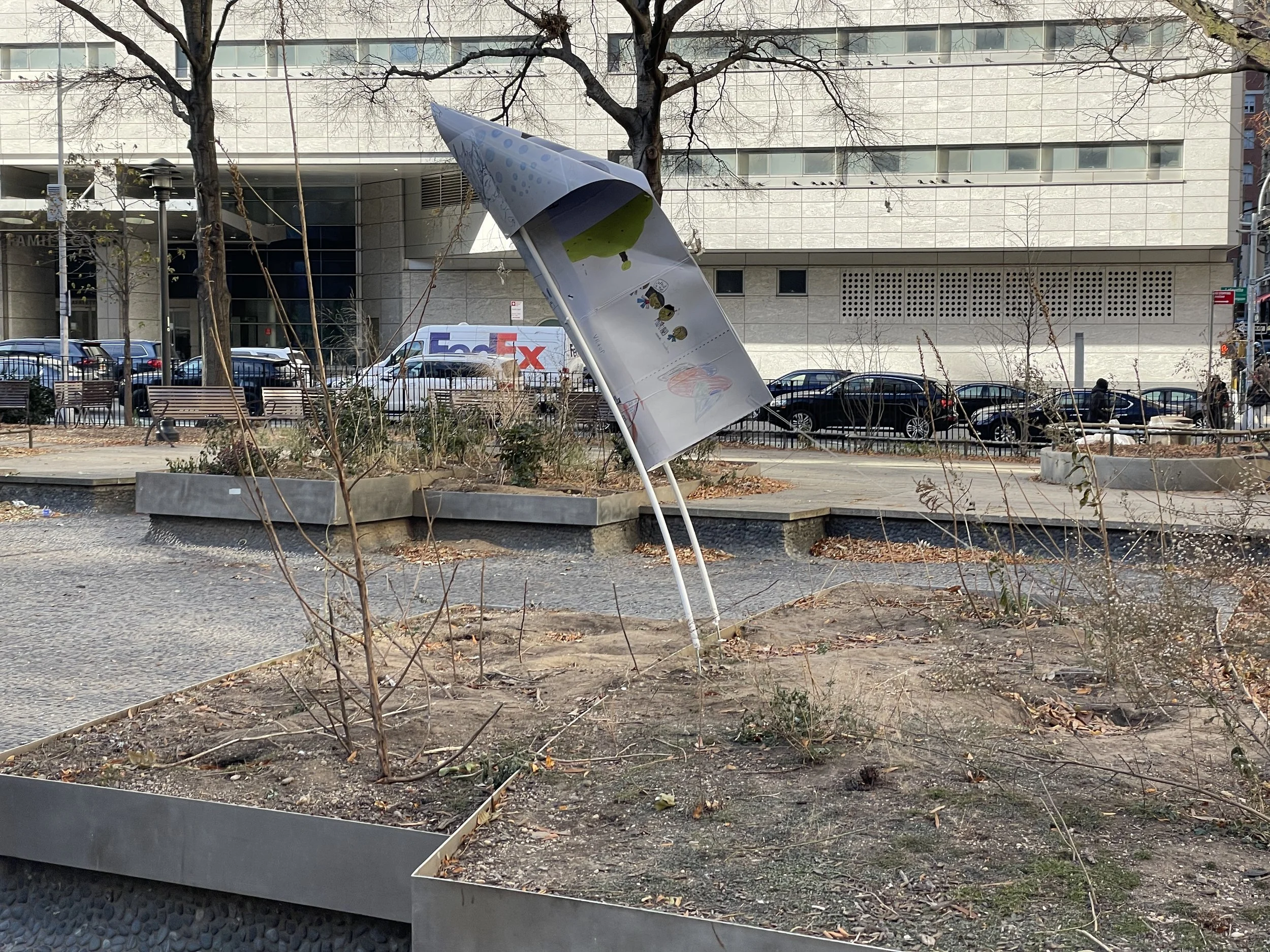
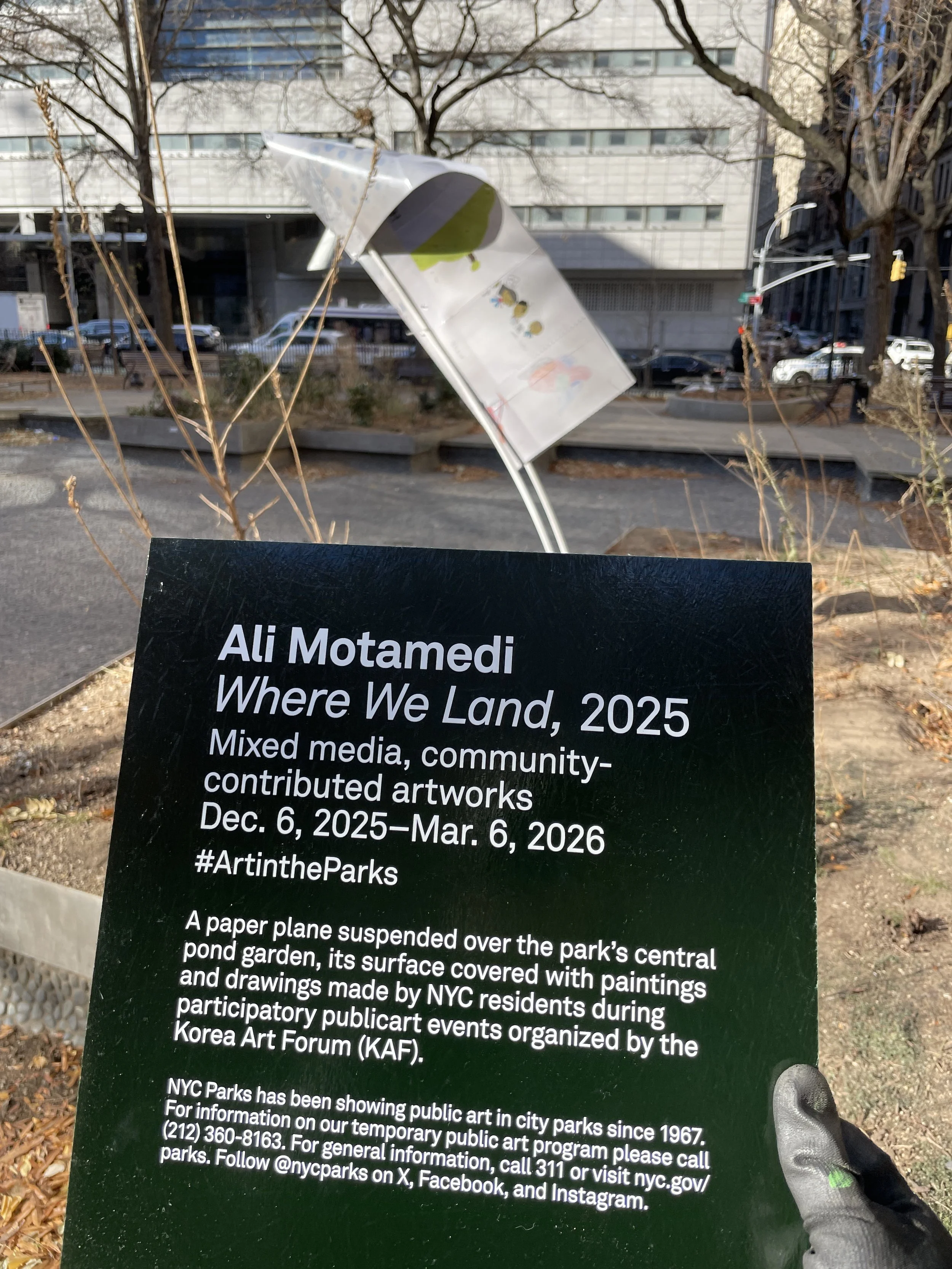
Where We Land is a large mixed-media paper plane suspended over the park’s central pond garden. Its surface is a vibrant patchwork of the paintings and drawings collected during the KAF participatory events. The work turns a familiar childhood object into a poetic symbol of migration, memory, and shared imagination.
· Materials: Mixed media, including weather-resistant paper-composite, ink, and paint on a structural frame.
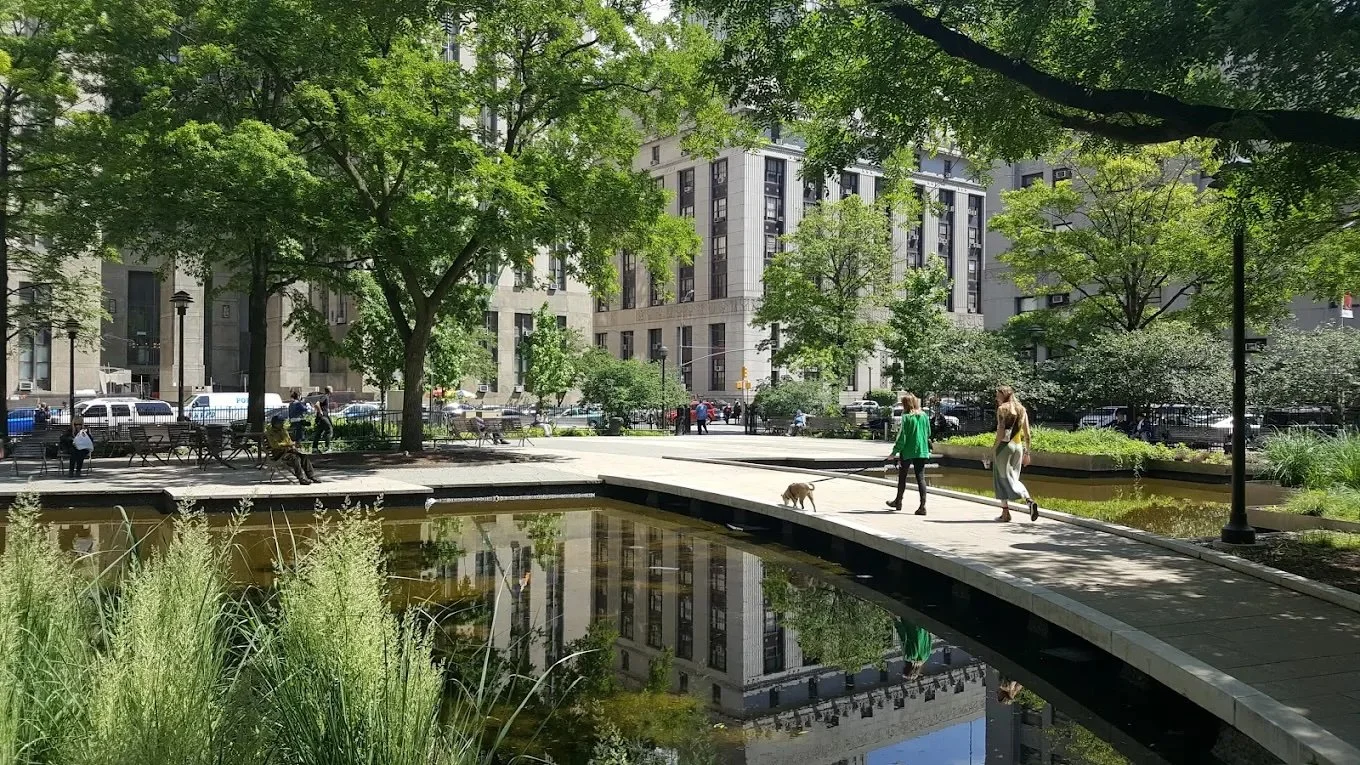
· Location: Small garden area in the center of Collect Pond Park’s reflecting pool (Lower Manhattan, NYC).
The paper plane serves as a metaphor for migration and the diasporic experience. It represents the delicate balance of "landing"—the moment a journey concludes and a new narrative begins. Suspended over the reflective waters of Collect Pond Park, the sculpture acts as a bridge between the solid ground of the city and the fluid, shifting nature of human experience.
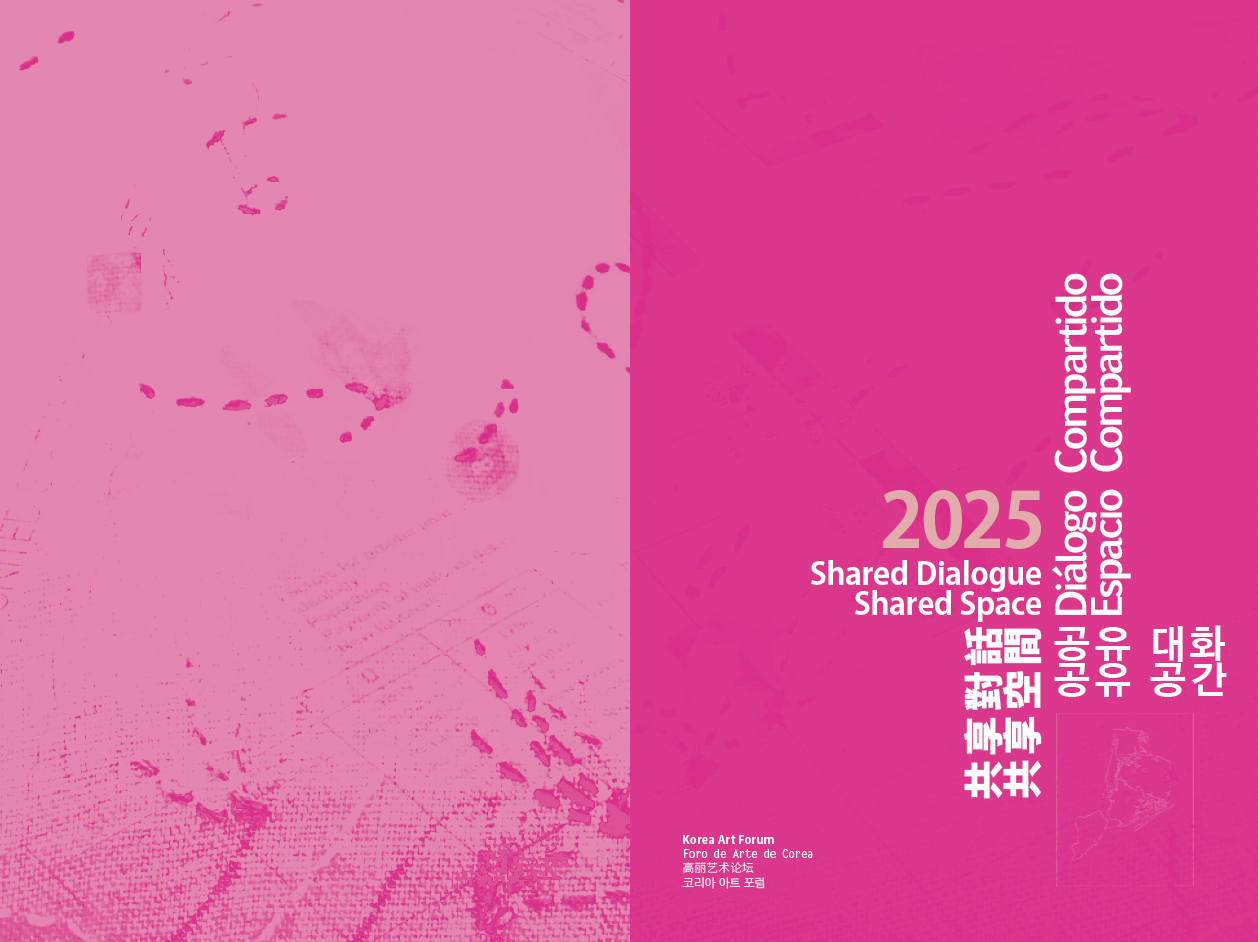
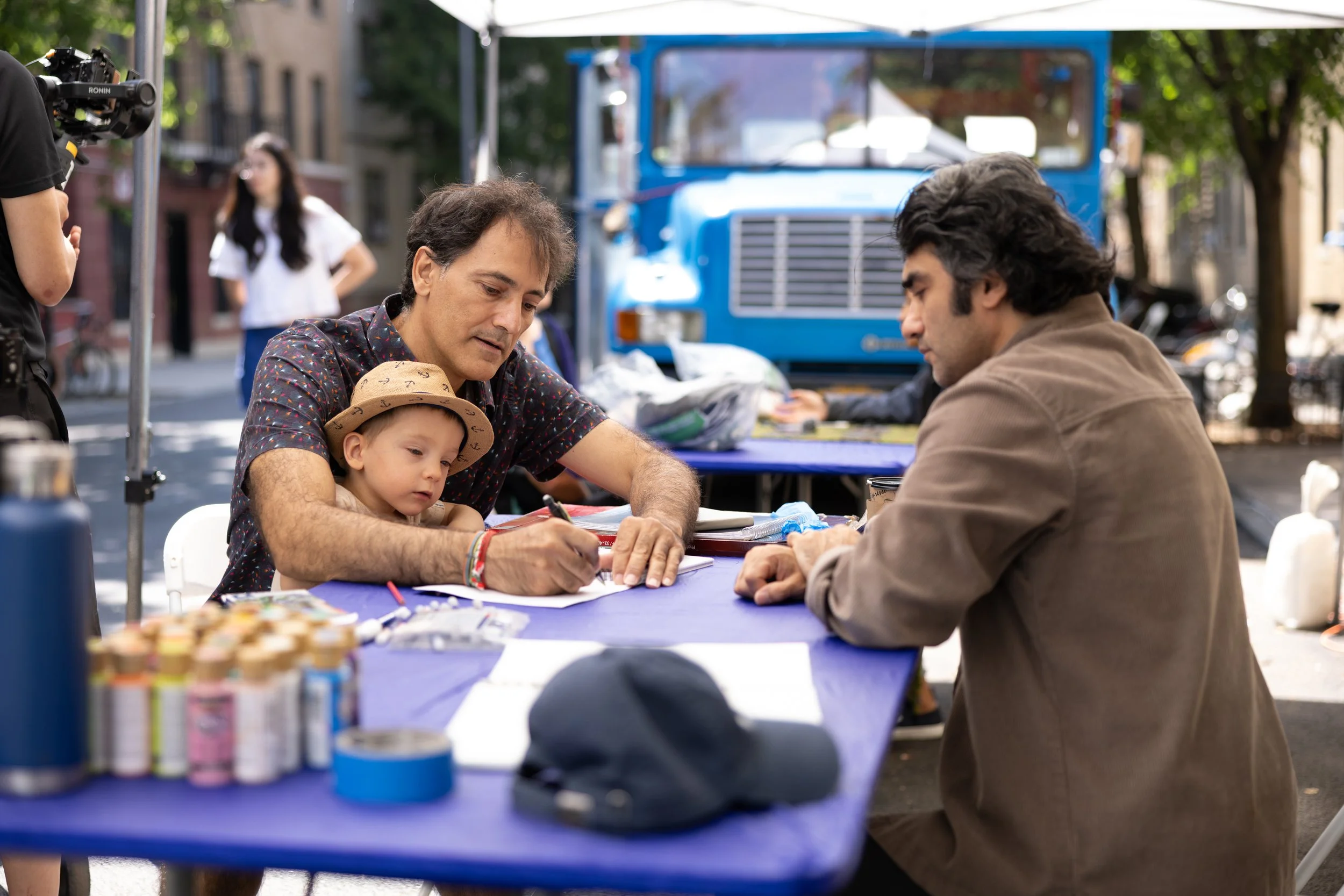
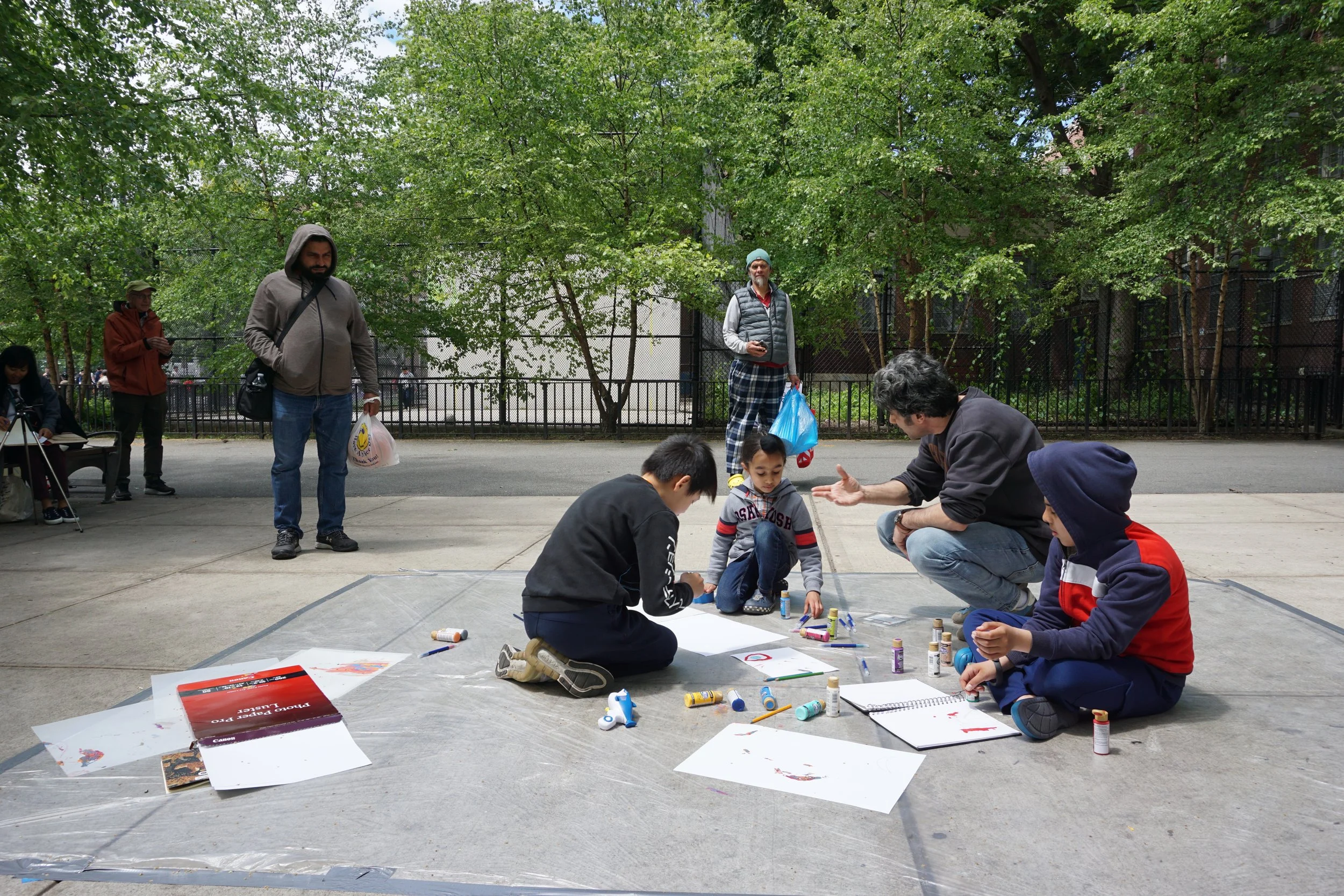
Central to the creation of Where We Land was a series of participatory public art events organized by the Korea Art Forum (KAF). During these sessions, the artist moved away from traditional linguistic communication, instead asking participants to prioritize expression over writing.
In these workshops, residents were invited to contribute directly to the surface of the sculpture’s "skin." The interactions focused on:
· Visual Dialogue: Using sketches, colors, and abstract marks to convey emotions that often escape formal translation.
· Tactile Engagement: Participants—ranging from young children to elderly residents—engaged in the act of journaling and drawing, turning the artist's source material into a living archive.
· Narrative Experimentation: By asking people "What is that?" or "Where are you from?", the artist facilitated a space where drawings of creatures, landscapes, and family figures became the primary vocabulary.
These sessions demystified the role of the artist, turning the public into co-creators. The result is a "shared imagination" etched into the very fabric of the final installation.